
Will Ackerman’s Home: Enduring Memories - Echoes November CD of the Month
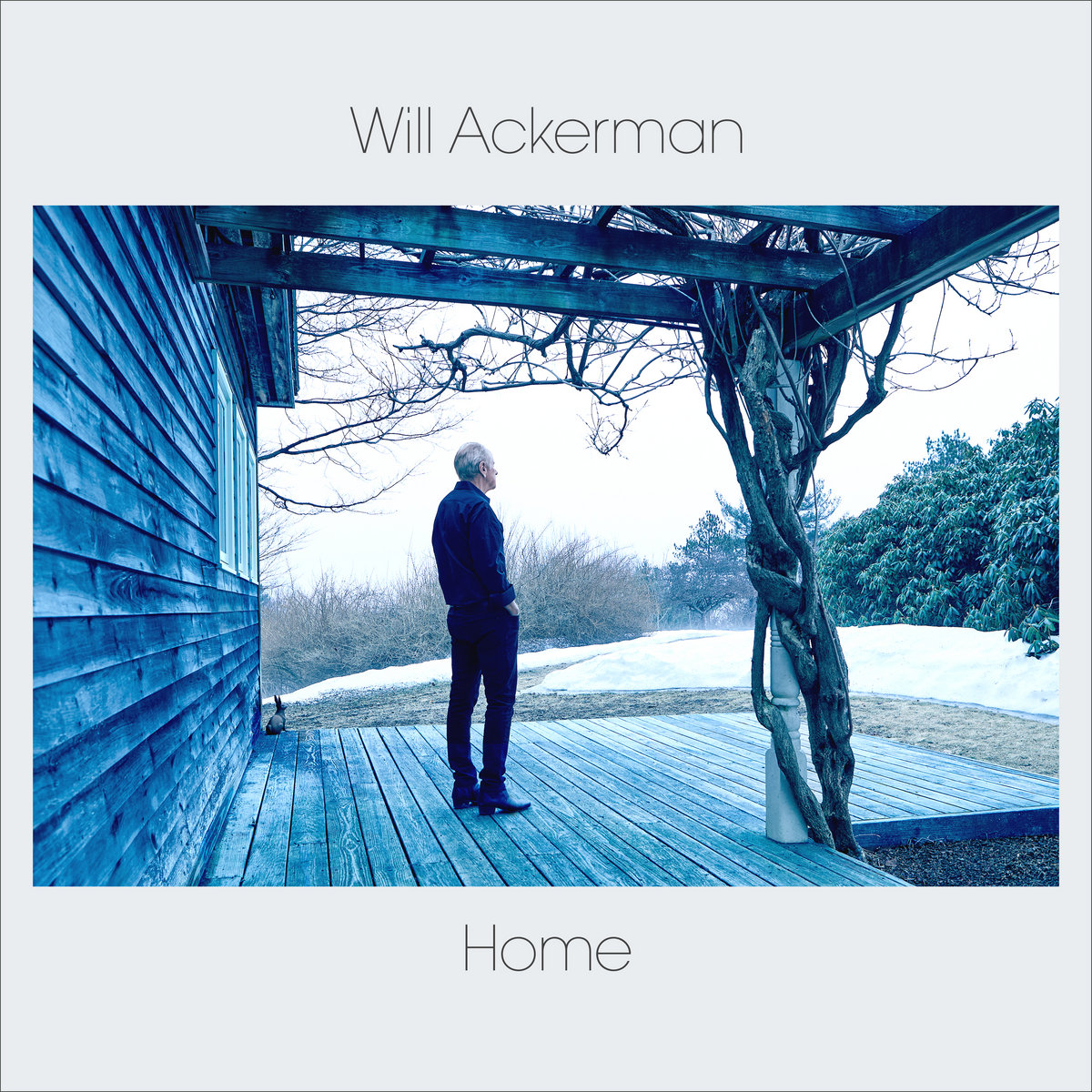
In the beginning, there was Will Ackerman. You can divide the history of new acoustic music into before and after Windham Hill Records, the label Ackerman founded in 1976. Windham Hill propelled a new acoustic sound into the mainstream, with Ackerman leading the way through his deeply personal approach to fingerstyle guitar.
Ackerman founded Windham Hill 50 years ago to release his debut album, In Search of the Turtle’s Navel. It grew into a record label worth over 30 million dollars by 1986, whose influence extended far beyond its own catalog. Windham Hill is gone, but Ackerman is still here, composing wistful melodies that evoke idyllic, pastoral landscapes. His music was born of introspection and unconventional tunings. Now 77, with 19 solo albums and numerous productions behind him, Home is an album that casts back, rather than moving forward.
Ackerman isn’t a flashy guitarist like his former labelmates Michael Hedges or Alex de Grassi. His music is about mood and feeling, creating immersive spaces with a spare approach evident on the opening track, “On Little Black Mountain.” He unfolds a serene melody that could have accompanied an opening scene in TV’s Yellowstone. The music drifts downstream like a dream, supported by understated keyboard textures and bass from producer Tom Eaton. The wordless voice of Noah Wilding adds another layer, whispering around Ackerman’s guitar like a gentle breeze.
Familiar names from Ackerman’s career appear throughout the album. Violinist Charlie Bisharat and fretless bassist Michael Manring join Ackerman on “Meadow Mowing.” Bisharat opens with an elegiac solo before Manring and percussionist Jeff Haynes give the second half a stronger pulse. The title track features Jeff Oster, the “O” in Ackerman’s band FLOW and a member of the trio Brothers with Ackerman and Eaton. Oster’s flugelhorn emerges from deep echoes, summoning the memories “Home” might hold.

Will Ackerman @ Echoes
The album’s secret ingredient is Noah Wilding, the recording name of Ackerman’s wife, Susan Whittle. Her voice functions almost like a string ensemble, sustaining long tones that embrace his melodies like a lover. Home is about as ambient as an acoustic album can get. Stretch these pieces into 10- or 20-minute excursions and they might find a place in a chill-out room.
“Snow’s Stone,” named for a dry-stone wall builder Ackerman knew, features Wilding’s most prominent vocal, still without words, weaving a counterpoint to his guitar. It’s also one of the album’s livelier pieces, propelled by Haynes’s congas, with Bisharat and Eaton adding momentum.
“For Shorty” recalls an earlier Ackerman sound, when the late Chuck Greenberg of Shadowfax played Lyricon, an electronic wind instrument, on albums including Past Light and Conferring with the Moon. Here, Premik Russell Tubbs plays an electronic wind instrument with a tone like Peruvian panpipes. The piece edges toward exotica, with softly rushing cymbals and Manring’s elastic fretless bass lines. It fades out too soon. “Wood Thrush” also looks back, opening with a figure reminiscent of “Visiting” from Past Light. It’s a reflective piece, with Ackerman letting notes ring over his fingerpicked melody.
It’s a shame Ackerman doesn’t connect the meaning of the song titles to the actual compositions. They are all conceived after the event and Ackerman claims they were not inspirations for the music. But if ever there were an autumnal album steeped in memory, this is it. The titles refer to his Vermont home and the people and places around it. “The West River,” named for a river winding through his part of Vermont, is a melancholy meditation. Wilding and Eaton join him, along with longtime collaborator Eugene Friesen, the cellist from the Paul Winter Consort (when he’s not touring with Paul Simon.) Friesen’s sustained lines deepen the emotional pull, intertwining first with Ackerman’s melody and later with Tubbs’s soprano saxophone.
“Grandma Maple” is the album’s only true solo piece. Ackerman’s tuning (for the guitar nerds: A E E A E G#) gives the instrument a resonant, almost Eastern drone on this brief meditation. Grandma Maple is a tree on his property.
Home isn’t an innovative Will Ackerman album. That phase of his recording career peaked with the underrated Hearing Voices in 2001. Instead, this is the work of a veteran musician taking stock of his surroundings and his past, stopping to smell the roses, or in his case, the mowed meadow grass.
I like Home more the less I analyze it. When I simply let the music take me where it wants to go, its finely detailed melodies and arrangements draw me into a landscape with the luminous magic of Maxfield Parrish and the pastoral impressionism of Monet. After 50 years of recording, Will Ackerman can still make a familiar sound feel like a place to which you want to return.
Hear our interview with Will Ackerman in the Echoes Podcast
Echoes Online Subscribers can hear this show NOW.